
Are Poor Boundaries Sabotaging Your Relationships?
Discover why chronic people-pleasing hurts you more than it helps you.
How often do you catch yourself holding back from sharing your true thoughts out of fear that you’ll upset someone else?
Would you rather put up with the discomfort from your partner’s behaviour than clearly asking for what you want?
Do you feel resentment for people who don’t respect your boundaries – even though you never set those boundaries to begin with?
If that sounds like you, you can break the cycle with my $30 masterclass on :
March 15th at 4pm PST
From Fawning to Secure Boundaries: How to Elegantly Advocate for Yourself in Relationships

Hosted By
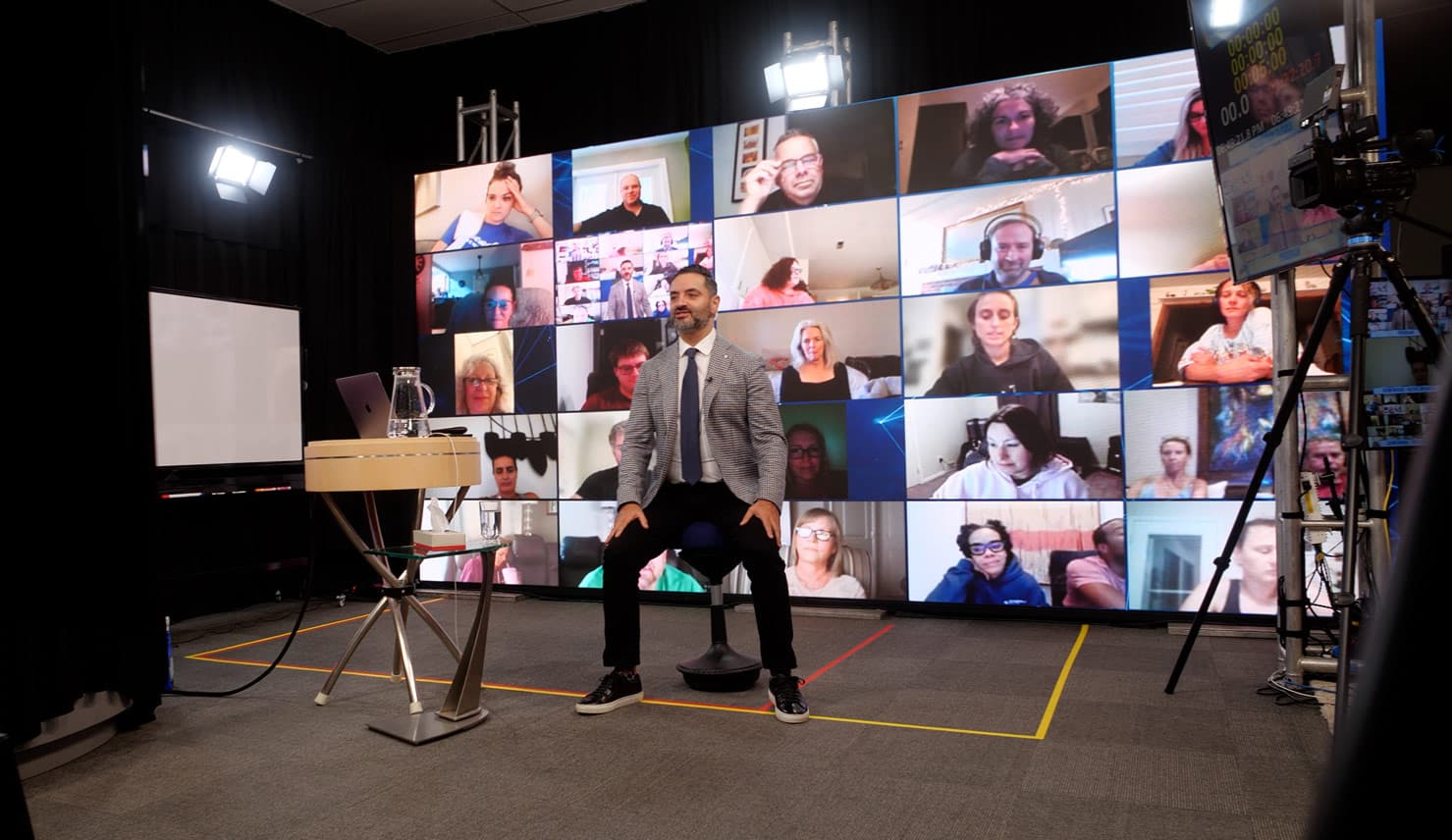
Dr. Nima Rahmany
Understanding Fawning and How it Kills Healthy Boundaries
You’ve likely heard of fight, flight, and freeze as responses to stress and trauma. But there’s one more: the Fawn Response, also known as "Fawning."
Fawning manifests as excessive people-pleasing, leading people to prioritize others' needs over their own, even to their detriment. It's a pattern of behavior deeply rooted in trauma bonding, where individuals form unhealthy attachments due to past experiences.
Hosted By
Dr. Nima Rahmany
This causes you to establish poor boundaries in every aspect of your life:
In professional settings, you may take on more responsibilities than you can handle.
In the end, you find yourself resenting people who break your boundaries – even if you never verbally established your boundaries to begin with.
When you constantly put your needs aside to appease others, you're going to burnout and develop a serious lack of self-esteem. You might even convince yourself that your boundaries are “less important” than pleasing the people around you. You may not even realise you need boundaries.
March 15th at 4pm PST
Why Poor Boundaries are More Destructive than You Think
It’s easy to believe it’s normal and even harmless to let your boundaries slip every once in a while. After all, what’s so bad about keeping people happy?
But keeping people happy is Fawning, and Fawning is rooted in the fear of what might happen. What will other people think or do? What if you share your authentic thoughts and feelings? Failing to set boundaries is not out of the goodness of your heart, it’s because you’re living in fear of conflict.
There is a feeling of constriction held in the body when we Fawn. Living in that state of constant threat can have dire physical and psychological implications.
Self-abandonment. Fawning is the sacrifice of our own comfort for the sake of others. When you consistently abandon your own needs, you lose your sense of self.
Resentment and bitterness. Every time you put up with bad behaviour, you’re suppressing your own anger and frustration. And when we can’t express those feelings openly, we turn them inward towards ourselves.
Angry outbursts. Most people who Fawn find themselves inevitably reaching a boiling point. This often manifests as a sudden lashing out, and is usually an extreme overreaction.
Anxiety and depression. If you’re living with the fear of being rejected, chastised, and hated by the people around you, you can’t bury those feelings forever. If you don’t find a way to express yourself and set boundaries, your constant state of stress can lead to severe psychological disorders.
Social isolation. People who constantly struggle with healthy boundaries find that the only way to feel truly comfortable and anxiety-free is to avoid social situations altogether.
Physiological conditions. It’s crucial to understand people-pleasing as a rejection of what the body is telling you. When you force your body to internalize and compound that stress, it leads to physical constriction and inflammation. In the long term, this can result in autoimmune, digestive, thyroid, and reproductive disorders.
Breaking Free from the Cycle

Recognizing the effects of poor boundaries is the first step towards change. By attending my masterclass, you will gain valuable insights and tools to break free from the cycle of trauma bonding . We will discuss:
How to differentiate between healthy empathy and detrimental people-pleasing.
Identifying when you or others are engaging in fawning behaviors.
Why setting firm boundaries is HEALTHY for your relationships, and NOT a burden on the people around you.
With these newfound skills, you can transform your relationships and reclaim your sense of self , and:
Navigate conflicts calmly and assertively.
Overcome low self-esteem, burnout, and resentment associated with fawning.
Cultivate authentic, fulfilling connections with loved ones.
Feel empowered to express your needs and desires without guilt or fear.

Don’t let poor boundaries dictate the course of your relationships any longer.
From Fawning to Secure Boundaries: How to Elegantly Advocate for Yourself in Relationships
March 15th at 4pm PST
Transform Your Life When You Break the Cycle

Chris Paredes
With their guidance, I have gone from anxiety-ridden to powerful and embracing my core values, working within my passions, and having incredible things come to me.
All through the power of unlocking the mind from the bind of past resentments, present delusions, and worries about the future and into inviting beautiful people, experiences and good vibes into my life.
Luigina Colopi
He does this with an innate skill of empathy, understanding and direct focus which leaves you enlightened and free.
I've tried many self-development courses but until now nothing has given me the tools to change my life with immediate effect as much as Nima has.
This guy has a gift for sure.
Lori Snyder
I have attended other programs and I have never experienced so much support.
Coaching with Nima and his team is the best investment ever.
I am so grateful and have had the honor to witness his transformation as he has stepped into his vision as a stellar coach.
Be brave and invest in your life.
Eivind L. Jakobsen
I went to his Overview Experience seminar, and it was such a profound experience.
Being stuck in life and burned out I knew I had to do something.
Before signing up for the weekend, I was really skeptical and scared but in hindsight doing the work and the seminar, it has given me a new perspective and healed past traumas I've been holding on to for so many years.
This is for everyone who is tired of living with a mask, be more connected and to become more your authentical self. So grateful, thank you, Nima!

Craig Osborne
My second time attending the Overview Experience was like a completely new, more surprising experience than the first.
I was thinking my current challenge at work was not really so significant, yet working through it with a group of wonderful people opened me up to the real possibilities in my life.
I’ve been somewhat stuck, I guess, and wondering why parts of my life were working well and others were somehow on pause. I now know why thanks to Nima‘s help and I feel ready to step into my real authentic self 100% of the time.
If you’re looking to upgrade yourself, I really suggest you contact Nima to find out how he can help.

Marie Perron
I did the Overview Experience™ a few weeks ago I can notice a significant and positive change in my life.
I have read loads of self-help books and I have attended many workshops, but experiencing Dr. Nima’s work is something else.
First of all, it is not a passive experience, a great idea, or a concept you read and never apply to your real-life stresses and problems. You get to integrate his teaching right away.
So much unpacking happens [in the workshop] and I walked away so much lighter. Totally worth it!

Amanda Johnson
I have known Nima since last year and I have continuously been inspired and impressed by his ability to walk his talk and be committed to his own transformation and the transformation of others.
Just this past month, I had the privilege of attending one of his Overview Experience weekends and it literally changed my life!
I’ve done a lot of work on myself over the past 5 years and this experience offered me a whole new level of seeing the truth of who I am.
Thank you, Nima, for being a leader, following your dharma, and sharing your gifts with others! ??❤️?
Melissa Da Silva
Nima is an incredible human being.
His love and devotion to his program and clients are like no other. His program is like no other.
I was able to uncover my blocks, save my marriage, feel again, and finally love myself.
Nima, his team, and his program have been a saving grace in my life and I’m truly grateful.
Dyani Scruton
Finding this course and having Nima coach me through most difficult time in my life was life-changing.
I was in a very dark place and with his help and guidance, I pulled myself back from the edge and I have not looked back.
Single after leaving a 20-year marriage, depressed, suicidal, and mother of 3 with no direction or hope.... this was me.
Dr. Nima's work, support, and guidance has given this woman and mother her life back. I am forever grateful.
DF
Nima has the unique ability to see your true potential even when you cannot.
He understands the impact YOU will have on the world and relentlessly works to help you see the same.
I don't know if it's his brutal honesty, work ethic, passion, belief in humanity or a combo of all but I do know he will get you the results you are looking for.
Just do it!

Frances Han
Dr. Nima is a man on a mission!
Thank you for giving me the chance to see the incredible truth that was so blinded by my EGO.
It was an amazing experience. I will be forever living with the Overview point of view.
THANK YOU and the Overview Team!
Christina Verma
Dr. Nima’s Overview Method is life-changing. After completing the 90-day program, I feel as though I have come home to myself.
I have gained increased resilience, found my purpose, improved relationships with those I love most and found a deep sense of love within.
There are no words to explain my gratitude for the tools I now have to live an authentic life. It has been the most transformative experience and the absolute best investment I have made in myself.

Carolina Lleras
I learned about Nima through a webinar and scheduled a call with him.
I was impressed by his passion to help and empower others, but also because he was direct and honest right from the beginning.
I recently quit my job and decided to become an entrepreneur, Nima has helped me to achieve the mindset I need it to start my business, this not only has impacted my professional life but my personal life in a way I never expected.
If you are looking to transform yourself and ready to live a meaningful life, contact him and invest in yourself.
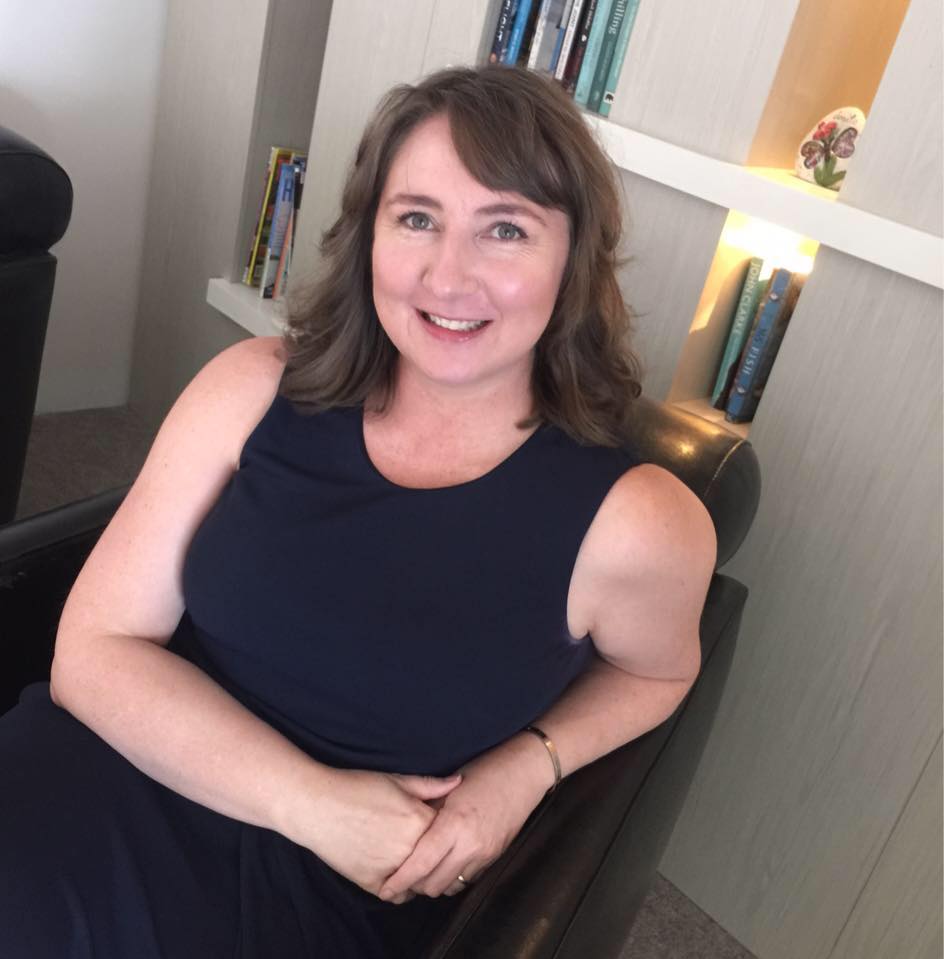
Nicole Donaldson
I've known of Nima for a couple of years and totally respected his work.
Then a couple of months ago, after a series of unfortunate events in my life which led to me feeling completely emotionally and mentally deflated, I knew who I wanted to work with to not only get ME back but also to rise to a whole new level.
Investing in myself felt scary at first - however, not investing in myself was even scarier!
I have no regrets and am feeling more ME than ever and both my business and personal life have benefited significantly.
Thank you Nima and team. You're amazing and full of heart.